PROPOSALSJun 23, 202609:54
Why Submitting a Sources Sought Response Can Cut 80 Percent of Your Competition
Your host
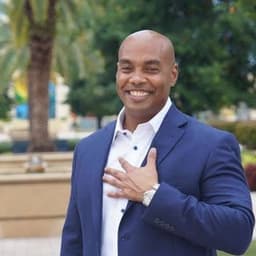
Eric Coffie
Eric Coffie built a construction company from zero to $20M+ in federal sales, then founded GovCon Giants to teach everyday people how to win government contracts.
About this episode
Learning how to write a sources sought response could be the single highest-leverage move you make in federal contracting this year. In this episode, Ryan Atencio walks through a real sources sought response he just submitted, line by line, showing exactly how to nudge a solicitation's set-aside, evaluation criteria, and contract vehicle before it ever goes live. If you've ever felt like the government writes RFPs for someone else and you're just hoping to qualify, this episode shows you how to flip that.
Key discussion points from this episode include: How shaping a sources sought response early can cut out 80% of your competition before the solicitation is even released Why nudging a total small business set-aside toward SDVOSB, WOSB, or 8a can eliminate the lowest-price, least-qualified bidders overnight How recommending a contract vehicle like Seaport NXG instead of SAM or GSA dramatically shrinks the pool of qualified competitors Why pushing for a best value tradeoff instead of LPTA lets your experience and past performance outweigh a lower price by hundreds of thousands of dollars How raising the minimum technical acceptability bar protects the contracting officer and weeds out vendors who can't actually perform
Show notes & timestamps
- 0:00Meeting Mindy your AI research assistant for govcon
- 0:31Welcome to the Federal Help Center podcast community
- 0:49Reviewing a real sources sought response example
- 1:18Shaping early opportunities toward SDVOSB WOSB or 8a
- 3:19Why woman owned small business set-asides get targeted
- 5:19Raising minimum technical acceptability to cut weak bidders
- 6:59Recommending SDVOSB and Seaport NXG over SAM
- 8:05Choosing best value tradeoff and ranking evaluation factors